|
Calendario 2015
Video
-
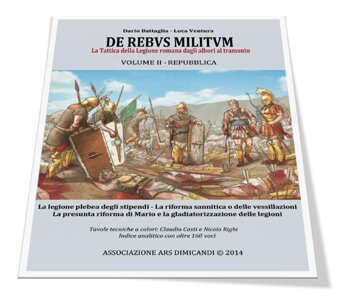
I nostri libri
Archeologia sperimentale
-
-
Termine spesso confuso con altre tipologie di ricostruzione, l'archeologia sperimentale gode di precisi criteri applicabili a una delimitata serie di soggetti storici.
- 
|
Iscriviti nel profilo di FB di Ars Dimicandi.
Puoi scriverci e
vedere centinaia
di foto.
|
|
Welcome! Chi siamo
-
Cos'è ArsDimicandi? E' una media di 2000 incontri gladiatori dal '99 ad oggi, oltre 400 incontri militari di monomachia e più di 170 eventi divulgativi in Europa. Dal 1994 calchiamo la scena internazionale promuovendo i contenuti del nostro nome, legato alla Legione romana, all'Atletica pesante e alla Gladiatura. ArsDimicandi significa infatti 'Scienza del Combattimento", palesando dunque un obiettivo che si emancipa dalla sola rievocazione o dalla sola ricostruzione di armamenti, ma che si spinge in una ricerca storica e sperimentale estrema, al fine di ricreare ex-novo l'ambiente in cui vennero a maturare le discipline in oggetto. Ne deriva un'intensa produzione di pubblicazioni scientifiche e una ricostruzione che non si limita agli equipaggiamenti, ma che produce anche un vivaio di atleti di alta competenza. Costoro oltre a diffondere nel territorio conoscenze un tempo appartenenti al Campo Marzio o ai Gymnasia greci, ci permettono di effettuare spettacoli e dimostrazioni per gli enti pubblici con lo scopo di qualificare il Pubblico mediante proposte e didattiche superiori alla media. [dati gennaio 2015]
-
ArsDimicandi e l'ars dimicandi-
Onestà intellettuale
-
|
Una recente polemica sui socials diventa occasione per un'analisi approfondita del termine ars dimicandi e dell'uso proprio o improprio che se ne può fare
-
|
|
------------------------------------------------------------------------------------
Le nuove segmentate di Léon (E)
-
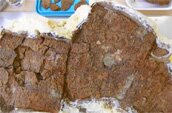
Una ventina di nuovi reperti della (da noi) controversa corazza a lamine metalliche, è stata recentemente rinvenuta in Spagna in un fortino della Legio VII. E' la prova che la usassero i legionari di fanteria regolare? AD è definitivamente smentita?
L'Albo di Qualità [gennaio 2014]
I personaggi e le competenze maturate
-
I membri di ArsDimicandi seguono una carriera rigorosa. Ogni disciplina prevede l'apprendistato, il tirocinio e infine l'approdo al titolo di veterano. Oltre a ciò in alcuni settori si è valutati per rientrare in uno speciale Albo di Qualità al di fuori dal quale non è possibile partecipare a format destinati ad enti pubblici ed organizzazioni europee...
-
-
|
-
Divulgazione culturale
Spettacoli, didattica e mostre internazionali per Musei ed enti pubblici
-
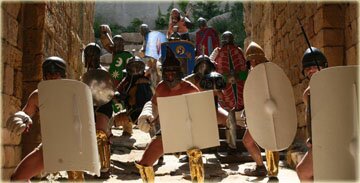
Enti pubblici, musei, parchi archeologici e altre organizza- zioni in Italia, Francia, Germania, Svizzera, GranBretagna, Spagna e Croazia ci ingaggiano da oltre un decennio per la qualità didattica e spettacolare con cui promuoviamo la Legione romana, la Gladiatura e l'Atletica pesante. Leggi le proposte e gli articoli dei nostri eventi in Europa...
-
-
PANKRATION - ARS LEGIONIS - GLADIATVRA
-
-
-
Praticare le antiche Arti Marziali
Lezioni private, corsi, stages & competizioni
-
Grazie alla sua esperienza ventennale, ArsDimicandi promuove le discipline antiche come uno Sport. Ora tutti possono praticarle! Leggi >>>
Practicing the Ancient Martial Arts
Private lessons, courses, workshops & competitions
-
Thanks to its twenty years experience, ArsDimicandi promotes the ancient disciplines as a Sport. Now everyone can do them! Read in English >>>
-
Gli ultimi tornei
|
|
-
XXIX° torneo mono/tetramachia
Déjà-vu Elephas-Deimos!!! E invece è il torneo n° 29! >>>
|
---
|
|
-
XXVIII° torneo mono/tetramachia
Il Campione è Elephas!!! >>>
Primo inter-nos di Pale.
|
--
|
|
The last event - ottobre 2014
-
XXVII° torneo mono/tetramachia
Torna Sekene, ma è anche la prima volta di una donna: Anthares! >>>
|
--
|
|
-
XXVI° torneo mono/tetramachia
La quinta volta di Aries!!! >>>
|
--
|